Speaking
Research and future-oriented speaking on activity-based Architecture to create spaces that foster connection, creativity, and well-being
The lines between living, working, and playing are increasingly blurred, leading to isolation and health challenges.
As an Architect and project developer, I design modern spaces that balance people, purpose, and profit, creating environments where communities can come together and thrive.
Select Speaking:
Select Press:
Fast Company
Forbes
Mens Journal
Outside
Climbing
Arch Daily
Architect
Design Boom
Wescover
See the VIDEOS page for more interview videos, podcasts, and links.
Chris Ryan AIA NCARB
Building Design & Development Consultant
Licensed Architect & Registered Contractor
As Seen In







SELECT TOPICS
The New Third Space(+)
The lines between life and work are increasingly blurred, and our digital lives leave people craving opportunities for in-person engagement and interaction.
That's where a new type of Third Space(+) comes in; spaces that curate an ecology of parts that support the different aspects of our lives; our work, play, and personal growth; spaces that inspire while fostering connection, creativity, and well-being.
Whether our visionary clients want to build a state-of-the-art climbing and fitness facility, an innovative coworking hub, or a vibrant community center, they are committed to creating spaces that improve our mental, physical, and social well-being.
By blending life, work, and play, while balancing vision with risk, we create strong businesses and spaces that are vital to our collective thriving.
Narrative Architecture
Using Story To Clarify Ideas, Organize Teams, and Create Better Building Projects
When people look at drawings or images of buildings, it’s easy to see them as just visual representations. In reality, they are ideas turned into images, embodying the goals and intent of the project.
A clear, compelling narrative should guide what the building is trying to achieve, without focusing on its appearance or aesthetics, since those can vary widely depending on personal opinions. While it’s important that people like the design, that comes last in the process. The primary focus should be on whether the narrative—the purpose behind the design—comes through in the drawings and user experience.
Once the building is complete and in use, there won’t be anyone to explain its intent. The design itself must communicate the story on a deep level, making the narrative crucial to creating better, more meaningful buildings.
Venues For Life:
Climbing Facility Layout & Design
Places which combine work, play, and “family” have the opportunity to be the backdrop of our lives, in ways that we never could have imagined just a few years ago.
I call these spaces Venues for Life, because that’s what they really are.
My work in the design and development of climbing facilities across the country over the last decade, and now across the world has shown me this, but it’s also opened the door to what the next iteration of these “Venues for Life” can be.
As someone who was fortunate to discover rock climbing nearly 27 years ago as a short, skinny, uninspired 15 year old, I can personally attest to the power and transformative power that an activity can have on our lives.
Balancing People, Purpose, and Profit
Building With Purpose
To successfully bring a meaningful building project to life, it's essential to balance passion with practical business needs. Focusing on People, Purpose, and Profit allows you to align your vision with long-term sustainability.
People: Create something that resonates with and serves a community.
Purpose: Build around a mission that reflects your passion and vision.
Profit: Ensure financial stability to fund the project’s growth and sustain its future.
Whether you’re a non-profit or a for-profit business, generating sufficient revenue is critical. It gives you the freedom to shape your project’s future, explore new opportunities, and continue developing what you’re passionate about.
Without a sustainable profit model, even the most inspiring project won’t last.
About
Chris Ryan AIA, NCARB
Development Expertise for Complex, Activity-Driven Projects:
From Vision to Open Doors
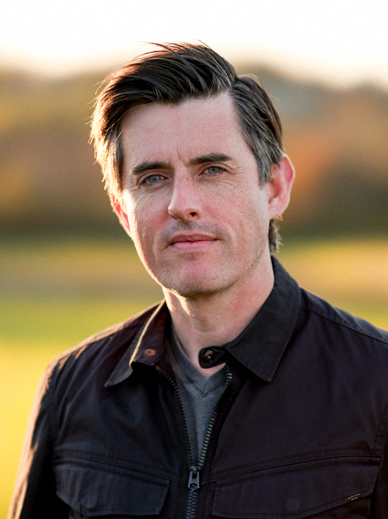
Chris Ryan is a development consultant who helps founders, operators, and owners turn bold ideas into real, operating places. His work centers on early, high-value decision-making—bridging vision, finance, feasibility, and construction strategy—so projects move confidently from concept to open doors rather than stalling on paper.
With over 20 years of experience as an architect, developer, builder, and former development executive, Chris brings a rare mix of strategic, financial, and executional insight to complex projects. Just as central is a lifetime spent at a high level in climbing, skiing, surfing, and other action sports, including national-level competition. These experiences shape how he understands risk, progression, performance, and community, and directly inform how he helps clients develop places that drive engagement, long-term performance, and strong returns while protecting the downside of invested capital.
Chris specializes in next-generation Third Places and experiential real estate—projects that blend work, play, and community into resilient, activity-driven ecosystems. His work has been featured in Fast Company and Forbes, and he has taught design and professional practice at Roger Williams University and Northeastern University. He holds a Master of Architecture from Harvard Graduate School of Design.
- Licensed Architect (AIA, NCARB)
- Registered Contractor (GC)
- Former VP Development (2012-2020)
- College & Graduate School Professor (2011-2021)
- Master of Architecture - Harvard GSD '09
- Nationally Ranked Climber (early 2000s)
- Climbing Wall Designer (2001-5005)
- Bachelor of Environmental Design - CU Boulder '02
- Eagle Scout
PROJECTS:
INFORMATION:
PROGRAMS:
FOLLOW:
